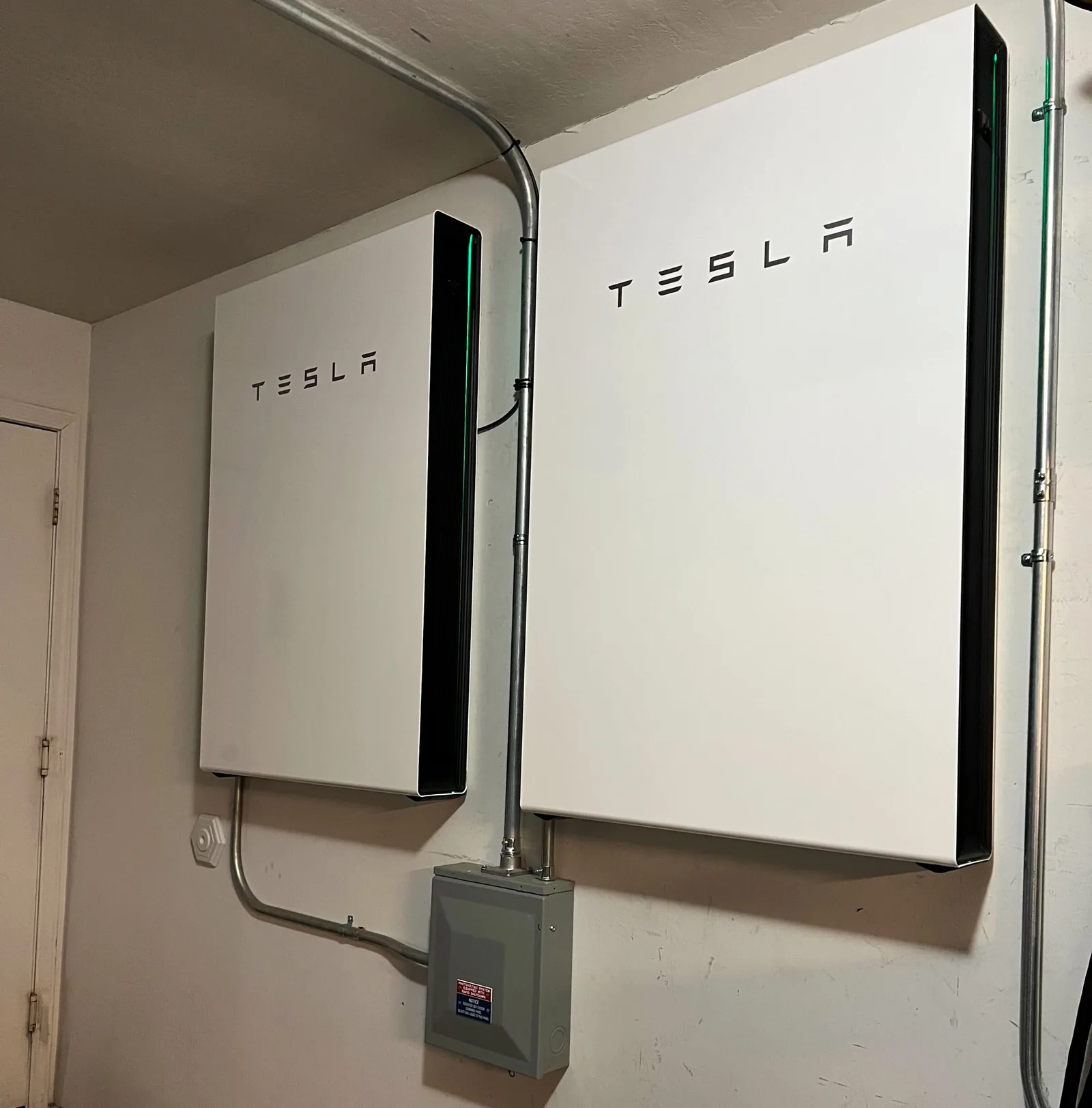
Battery storage
Capacity, available charge and operating limits all affect how much useful energy a system can provide.
Keep the appliances and systems you rely on at the centre of your backup plan. DSA reviews their power needs alongside battery storage and your existing electrical installation.
For households, businesses and shared properties planning for power interruptions or adding energy storage.
Capacity, available charge and operating limits all affect how much useful energy a system can provide.
The inverter and controls must suit the batteries, charging sources and intended backup arrangement.
A critical-load panel or other suitable arrangement may separate priority loads from the rest of the property.
Safe isolation, transfer behaviour and electrical protection form part of the assessed design.
Grid and/or compatible solar
Manage the configured energy paths
Holds energy for later use
Supply depends on the backup design
Energy can move in different directions during charging and use. A generator may be considered only after compatibility and changeover arrangements are assessed. This simplified relationship is not an electrical schematic.
Explore the possibilities first. The assessment establishes what is suitable, and the quotation sets out the proposed scope.
Focus on the circuits that matter most during an interruption, with a clear understanding of their limits.
Explore more loads only after demand, capacity and the electrical installation have been reviewed.
Check whether existing solar or backup equipment can be integrated or expanded, or whether a different approach is needed.
Backup duration varies with battery capacity, available charge, operating conditions and the loads in use. Design decisions follow an electrical and property assessment.
Handover should explain supported loads, operating modes, indicators and what to do when the system needs attention. Maintenance and monitoring arrangements depend on the equipment and agreed scope.
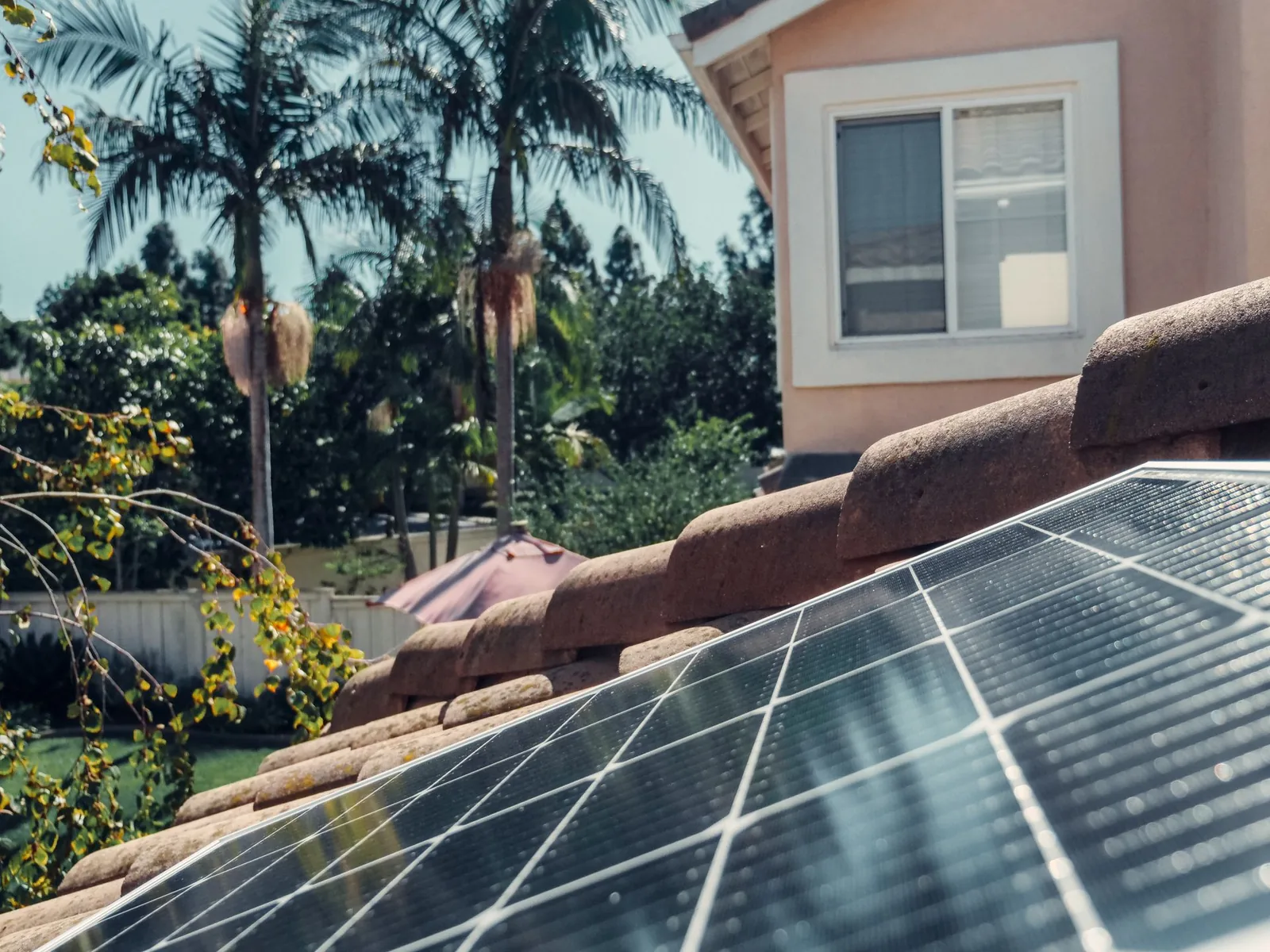
Solar can be one charging source in a compatible system. Battery-only arrangements and generator integration may also be considered, subject to assessment.
Share a list of essential appliances, the duration of backup you would like to explore, and details of any generator, inverter or solar equipment already installed.
Request a Backup AssessmentThat depends on the design and the loads involved. Planning may focus on selected essential circuits rather than every appliance.
Storage and backup arrangements can differ. DSA can review your existing setup and discuss which approaches are suitable.
Tell the team about any generator or changeover equipment. Compatibility and safe integration need an assessment before a solution is proposed.
Runtime depends on usable battery capacity, available charge, conversion losses and the power drawn by appliances. An assessment is needed before discussing a realistic operating scenario.
Automatic operation depends on the chosen inverter, transfer equipment and circuit design. This behaviour must be specified and explained during planning and handover.
Explore related solutions for a coordinated property plan.
Tell us what you have in mind. Explore the possibilities before deciding on a solution.