
Vehicle & charger
Review the vehicle connection, supported charging capability and equipment suitability.
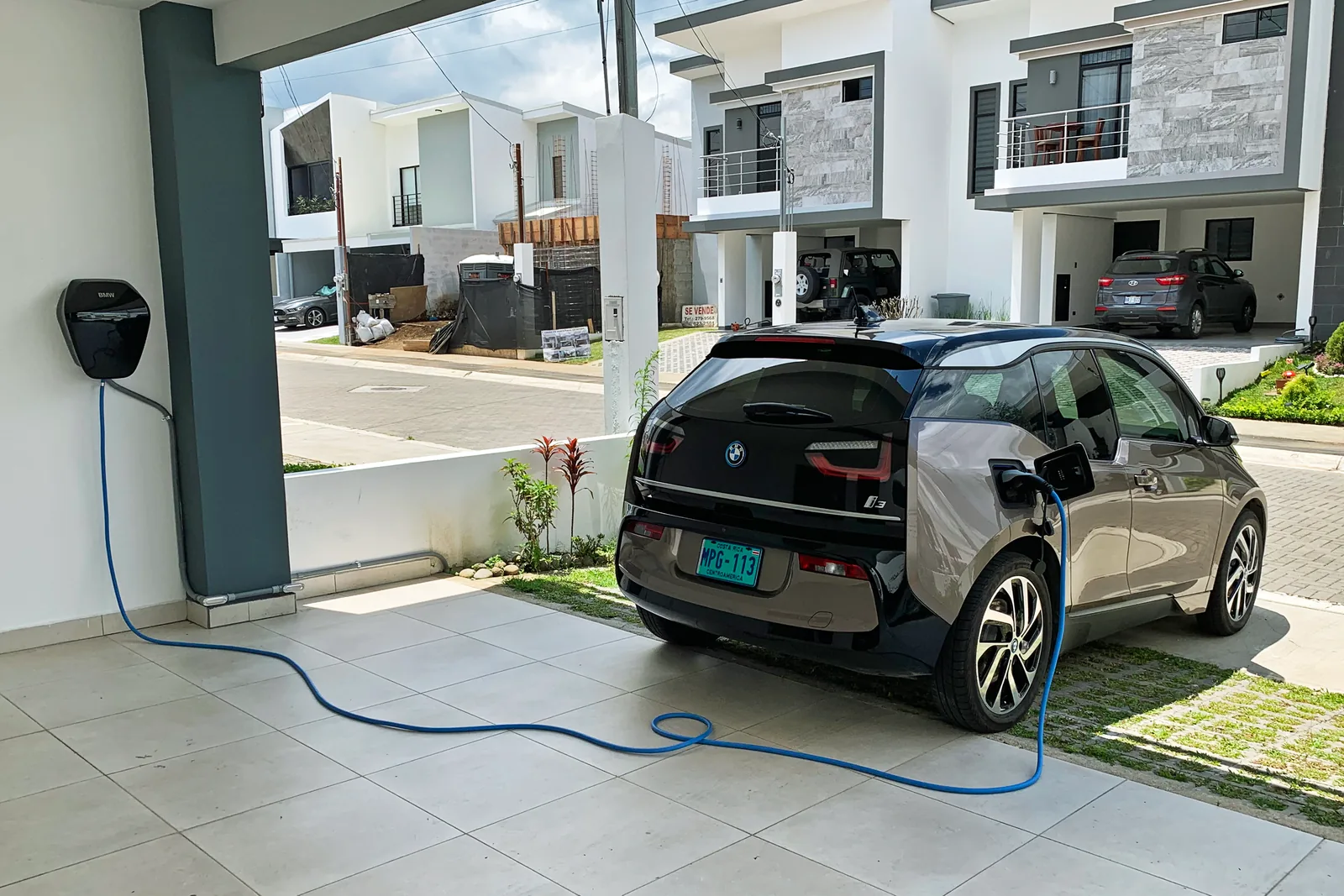
Make room for charging where you live or work. DSA reviews parking, vehicle use and the property’s electrical supply before recommending a charger and installation plan.
Grid and/or compatible solar
Assessed capacity and protection
Suitable equipment and location
A compatible charging connection
Solar or battery integration requires compatible equipment and a suitable design. Solar generation does not mean every charger can charge directly or exclusively from solar.
For EV owners, workplaces, hospitality operators and developers planning a home charger or charging provision for a wider property.
Review the vehicle connection, supported charging capability and equipment suitability.
Check electrical demand, panel capacity and any installation changes that may be required.
Plan convenient access, sensible cable reach and a location suited to the environment.
Consider charging patterns, other property loads and possible additional vehicles or spaces.
Explore the possibilities first. The assessment establishes what is suitable, and the quotation sets out the proposed scope.
Plan a convenient residential charging point around the vehicle, parking and electrical supply.
Assess intended users, demand and operation before selecting charging equipment.
Consider routes and capacity for additional charging needs without assuming expansion will be automatic.
Charging capability depends on the vehicle, charger, electrical supply and installation design. Public charging networks, tariffs and payment services are not implied.
Handover should cover normal operation, cable care, fault indicators and how to request support. Inspection, servicing and any connected-service arrangements depend on the selected equipment.
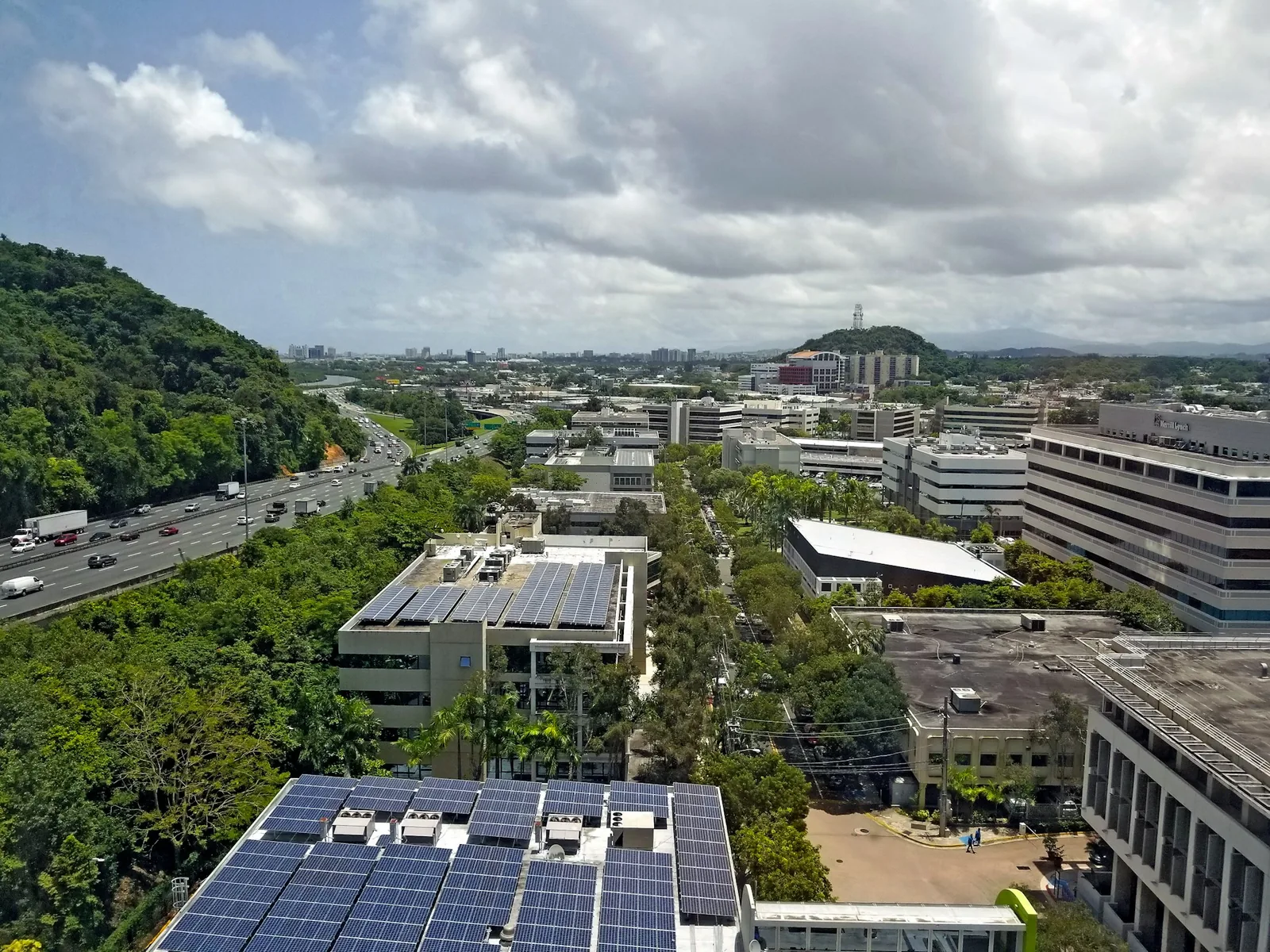
Coordinate charging with solar and battery planning where suitable. Available capacity, controls and the vehicle’s requirements determine what can work together.
Have your vehicle or charger information, parking details and any available electrical records ready. Commercial enquiries should also describe expected users and operating hours.
Request an EV Charger AssessmentSuitability depends on electrical capacity, parking access and installation requirements. These need to be assessed for the specific property.
That can be explored as part of an integrated energy plan. Equipment compatibility, loads and control options need review.
Yes. Share your expected vehicle type and parking arrangement so the conversation can begin with the property’s requirements.
An assessment determines whether the existing supply and distribution equipment are suitable and what work is needed. Upgrades are not assumed or ruled out in advance.
Charging speed is limited by the vehicle, charger and available supply. Usage patterns and the proposed installation need review before discussing expected performance.
Explore related solutions for a coordinated property plan.
Tell us what you have in mind. Explore the possibilities before deciding on a solution.